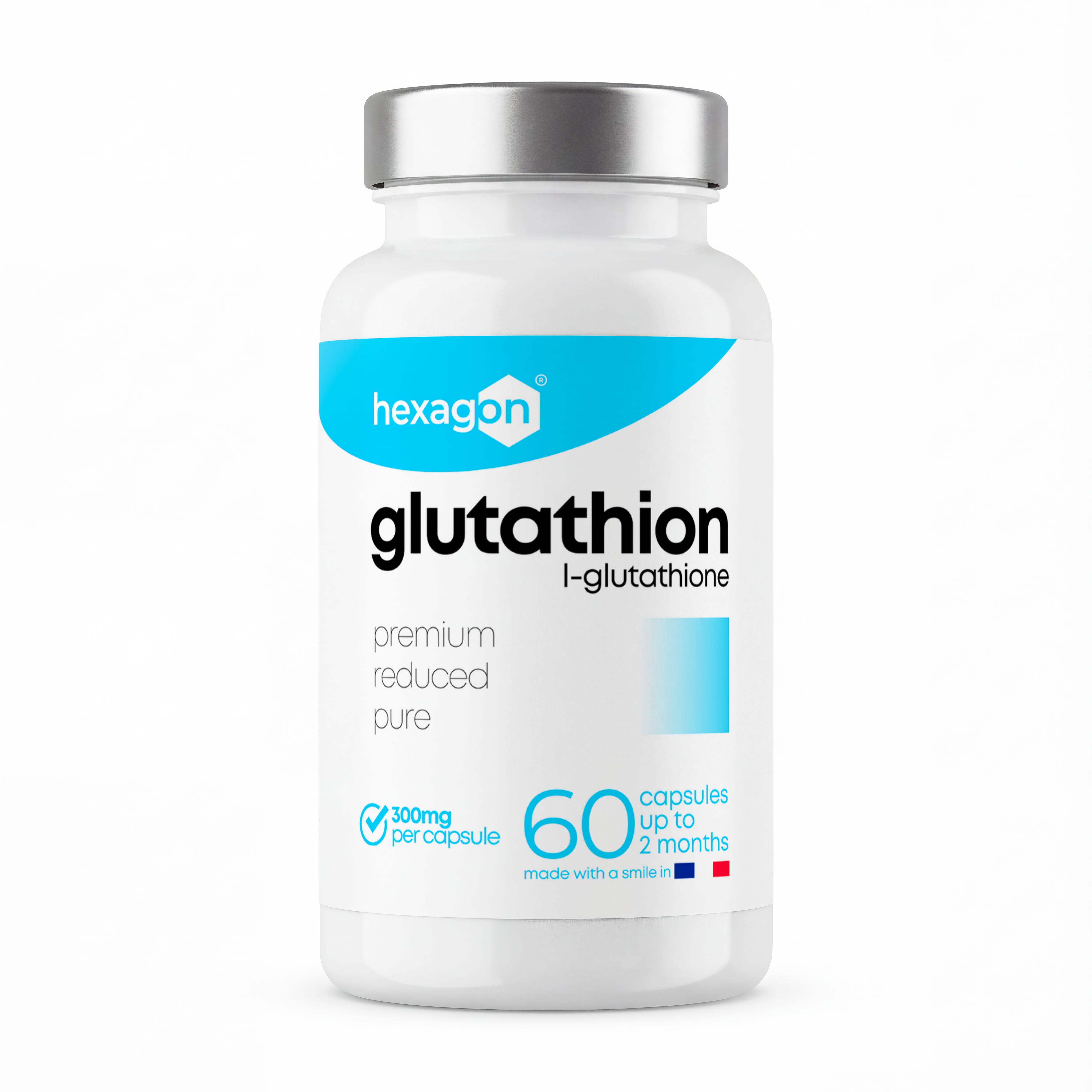
Glutathione is a molecule naturally present in all the cells of our body. It is composed of three amino acids (glutamine, cysteine and glycine) and plays an essential role as an antioxidant. In other words, it helps protect cells against damage caused by free radicals , which are unstable molecules generated by different factors (pollution, radiation, smoking, etc.) .
The main role of glutathione in the body is therefore to defend the body against cellular damage, thus contributing to the prevention of many diseases and conditions linked to oxidative stress, such as cardiovascular, neurodegenerative diseases and cancer.
In addition to its antioxidant activity, glutathione also participates in other important cellular processes, such as the regulation of immune processes, DNA synthesis and repair, and the metabolism of toxins and drugs. ( 1 )
Increase your glutathione intake through diet
Although the body can produce its own glutathione, dietary intake of it can also help increase levels of this essential antioxidant. Here is a list of major foods that are known to be high in glutathione. ( 2 )
- Vegetables
Cruciferous vegetables, such as broccoli , Brussels sprouts , cabbage , and cauliflower , are particularly rich in this antioxidant. These vegetables help increase the content of this molecule in the body, thereby providing protection against various diseases and conditions.
- Fruits
Certain fruits are also beneficial. Avocados and tomatoes , for example, contain it in considerable quantities. They can be included in a wide variety of dishes, making them practical for enriching the daily diet.
- Animal proteins
Other sources include animal proteins, such as meat , fish , and dairy products . These foods provide not only this valuable antioxidant, but also essential protein and other nutrients needed for overall health and well-being.
- Herbs and spices
Herbs like cardamom and cumin are also beneficial, providing not only taste and aroma to dishes but also a dose of glutathione.
- Other sources
Other foods, such as nuts and seeds , can also help increase its content in the body.
Please note : cooking and preparing foods can affect their glutathione content. Therefore, it may be beneficial to eat fresh, raw fruits and vegetables whenever possible.
By incorporating these foods into your daily diet, you can help ensure that your body receives enough glutathione to support your antioxidant defenses and ensure optimal health.
Of course, it is always recommended to consult a health professional or nutritionist for specific and personalized dietary advice.
Forms of Glutathione Supplements Available
Apart from food, there are different supplements available to you to increase glutathione levels:
- Reduced Glutathione : This is the most common form of glutathione supplement. It is available in the form of capsules or tablets to take orally.
- Liposomal Glutathione : In this form, glutathione is packaged in lipid vesicles (small fat bubbles) , which may improve its absorption by the body.
- N-acetylcysteine (NAC) : Although not a glutathione supplement per se, N-acetylcysteine is a glutathione precursor, meaning it helps the body produce more glutathione. ( 3 )
- S-Acetyl Glutathione (SAG) : It is designed to be more stable as it passes through our stomach. This stability means that more glutathione can be absorbed by our body.
- Sublingual glutathione tablets or patches : These forms of supplements are designed to be absorbed directly into the bloodstream through the lining under the tongue or through the skin.
Caution : The effectiveness of glutathione supplements may vary and it is always advisable to consult a healthcare professional before starting a new supplement.